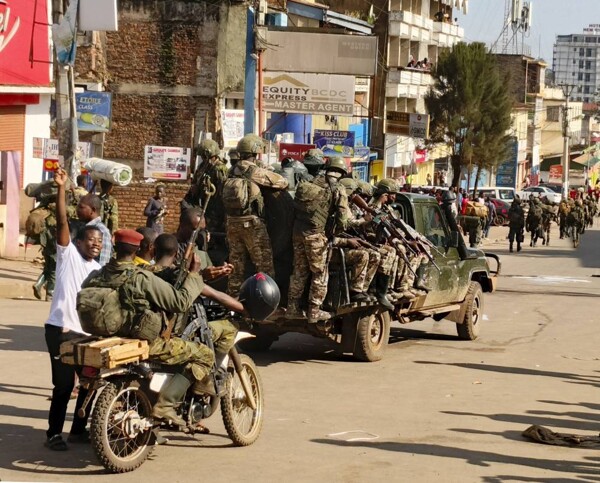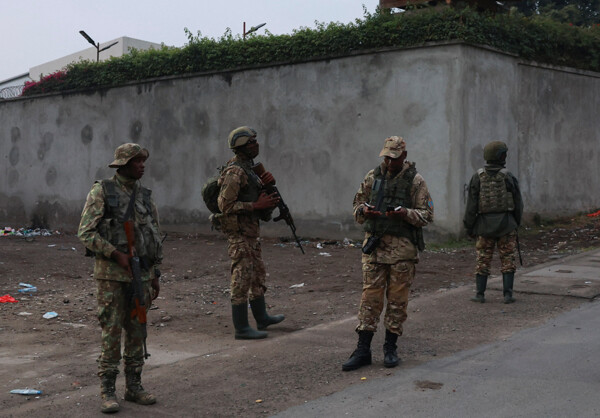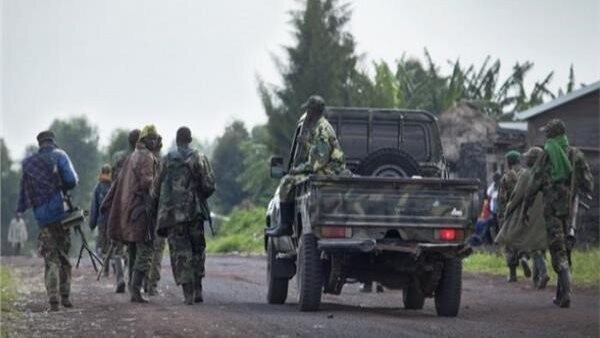
The withdrawal of the rebel group M-23 from the city of Walikale in the Democratic Republic of the Congo has generated various interpretations. Although the return of 70% of displaced residents and the reopening of businesses suggest an atmosphere of relative calm, some attribute this sudden peace to global economic interests in the production and supply of tin, an essential metal in the global industry.
The possible link between the stabilization of tin markets and the withdrawal of M-23 has raised theories on how international economic interests can influence local conflicts in the Congo. In this sense, it is suggested that the intervention of American companies and multinational corporations may have played a decisive role in halting hostilities in the Walikale area.
On the other hand, after the mediation in Doha between the Congolese and Rwandan presidents, a ceasefire agreement was reached that was soon broken by the M-23, who took the city of Walikale. However, their subsequent surprising withdrawal generated speculation about possible peace agreements and the release of convicted members of the rebel group.
Despite the conciliatory versions of M-23 regarding their actions in Walikale, local reports denounce looting and violence perpetrated by the rebels upon leaving the city, contradicting their discourse of promoting peace and dialogue in the region. This discrepancy between the acts and words of the rebel group raises questions about the true agenda behind their withdrawal from Walikale.
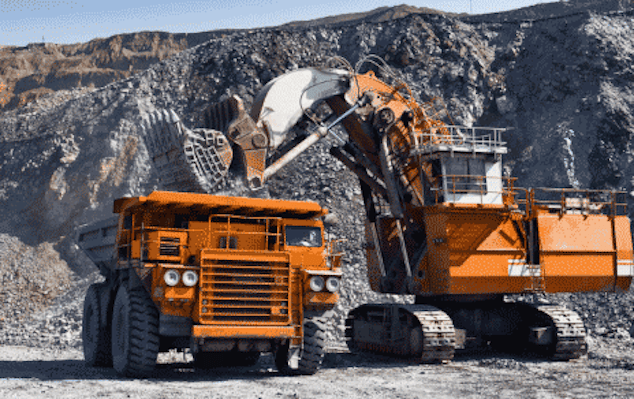
The resumption of activities at the Bisie tin mine, considered the third most important in the world in tin extraction, has been closely linked to stability in global markets for this metal. The influence of economic factors on the dynamics of conflicts in the Congo highlights the complex interaction between commercial interests and the pursuit of peace in a region marked by decades of violence and displacement.